
If you are beginning a fitness journey, you have likely come across creatine. Widely recognized as one of the most thoroughly researched and effective sports nutrition supplements in existence, creatine has transitioned from an elite athlete secret into a mainstream daily wellness staple.
Whether your goal is to build strength in the gym, improve daily energy levels, or support cognitive health, understanding how creatine works can help you make an informed decision for your health routine.
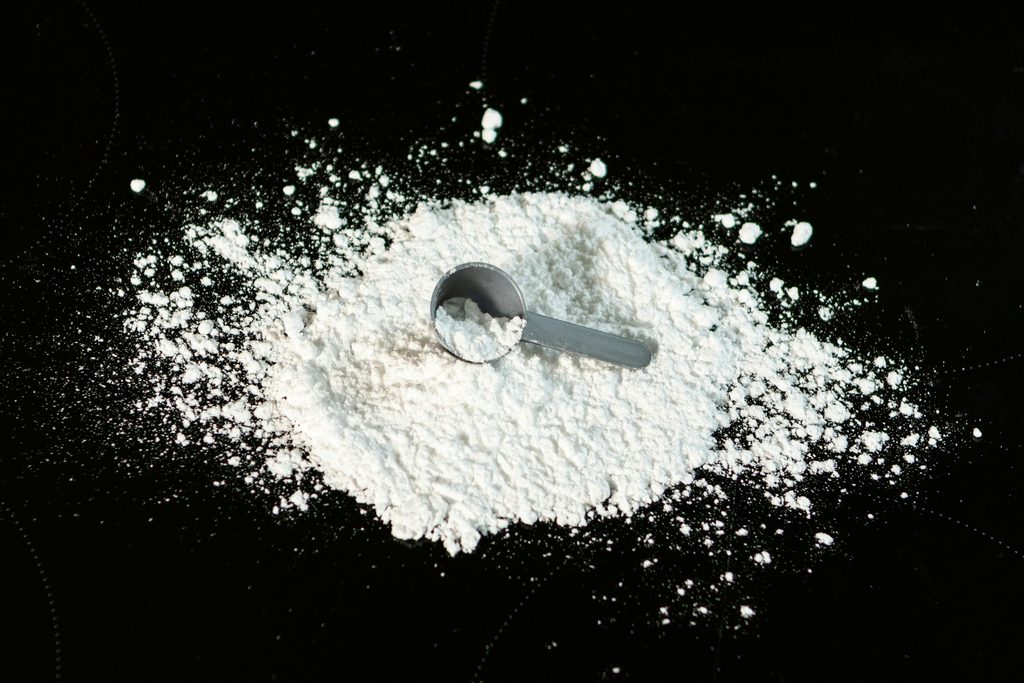
What Is Creatine and How Does It Work?
Creatine is a naturally occurring compound synthesized by the human body (primarily in the liver, kidneys, and pancreas) and obtained through diet, particularly from protein sources such as red meat and seafood. Roughly 95% of the body’s creatine stores are kept in skeletal muscle tissue, with the remaining 5% distributed to the brain, heart, and other organs.
The Science: ATP Recycling
At a cellular level, your muscles rely on a compound called adenosine triphosphate (ATP) for fast, explosive energy. During high-intensity movements—such as heavy lifting, sprinting, or power training—ATP is broken down rapidly into ADP (adenosine diphosphate).
When you supplement with creatine, you increase your body’s stores of phosphocreatine, which directly recharges ADP back into usable ATP. This continuous energy supply helps your muscles perform at a high level during intense exercise.
Core Benefits of Creatine
Research across clinical trials and sports performance literature highlights several physical and mental advantages:
- Increased Muscle Power & Strength: By rapidly restoring ATP, creatine allows you to push through extra reps or generate more explosive power during high-intensity resistance training.
- Accelerated Recovery & Reduced Fatigue: Creatine supports the activation of muscle satellite cells that aid in repairing micro-tears created during resistance workouts.
- Enhanced Cellular Hydration: Creatine draws water directly into muscle cells (intracellular hydration), creating a favorable environment for tissue repair, cell growth, and reduced cramping.
- Cognitive Function & Brain Health: Because brain cells also rely on ATP for heavy mental tasks, studies indicate creatine can aid focus, short-term memory, and processing speed—especially under mental fatigue or sleep deprivation.
- Pronounced Benefits for Plant-Based Diets: Vegetarians and vegans often have lower baseline muscular creatine levels due to the absence of dietary meat. As a result, plant-based individuals frequently experience significant improvements in performance and lean mass when supplementing.

Starting Out: How to Take Creatine as a Beginner
Starting a new supplement does not need to be complicated. Here are the core guidelines for incorporating creatine into your routine:
1. Choose the Right Form
- Creatine Monohydrate: This is the gold standard—the most heavily researched, affordable, and effective form available.
- Micronized Powders or Capsules: Micronized monohydrate powder dissolves easily in liquids (such as water, juice, or a protein shake), while capsules offer convenient dosing on the go.
2. Standard Daily Dosage
- Daily Maintenance Dose: Take 3 to 5 grams per day.
- Body Weight Consideration: Individuals weighing close to or above 200 lbs may benefit from a daily dose closer to 5–10 grams, as recommended by nutrition professionals.
3. Do You Need a “Loading Phase”?
A traditional loading phase involves taking 20 grams per day (split into four 5g servings) for 5 to 7 days to rapidly saturate muscle stores, followed by a daily 3–5g maintenance dose.
Is it necessary? No. Skipping the loading phase and taking 3 to 5 grams per day consistently will achieve full muscle saturation within 3 to 4 weeks, with less hassle and a reduced risk of digestive discomfort.
4. Timing & Consistency
- Consistency Beats Timing: Taking creatine every day—both workout and non-workout days—is what maintains saturated muscle stores.
- Flexible Schedule: You can take it in the morning, pre-workout, post-workout, or with a meal. Find a time that fits naturally into your daily habits.
Common Myths vs. Science-Backed Facts
| Myth | What the Science Says |
| “Creatine causes kidney damage.” | Research shows that creatine is safe for healthy adults when taken at recommended dosages. It does not cause kidney damage in individuals with normal renal function. |
| “Creatine causes dehydration and cramping.” | Creatine actually draws water into muscle cells, aiding intracellular hydration and reducing muscle cramps during intense training. |
| “Creatine causes hair loss.” | No direct cause-and-effect link between creatine supplementation and hair loss has been established in broader clinical literature. |
| “Creatine is an anabolic steroid.” | Creatine is an amino acid derivative naturally produced in the body and found in food. It supports cellular energy metabolism, not hormonal steroid pathways. |
Safety and Precautions
Creatine is widely considered safe for long-term daily use by healthy adults. However, a few best practices apply:
- Hydration: Because creatine pulls water into your muscle tissue, make sure to drink adequate water throughout the day.
- Third-Party Testing: When buying supplements, look for third-party certifications on the label (such as NSF Certified for Sport or Informed Choice) to verify purity and safety.
- Medical Consultation: If you have pre-existing kidney or liver conditions, diabetes, or take medications that affect renal function, consult a physician or registered dietitian before starting supplementation.