
If you have ever heard that a daily glass of red wine might be good for your heart, you have already encountered resveratrol. This natural plant compound has sparked considerable interest across scientific and medical communities for its potent antioxidant and anti-inflammatory properties.
Drawing from insights by WebMD, Cleveland Clinic, and Healthline, here is a comprehensive guide to what resveratrol is, what the scientific evidence says about its benefits, where to find it, and important safety considerations.
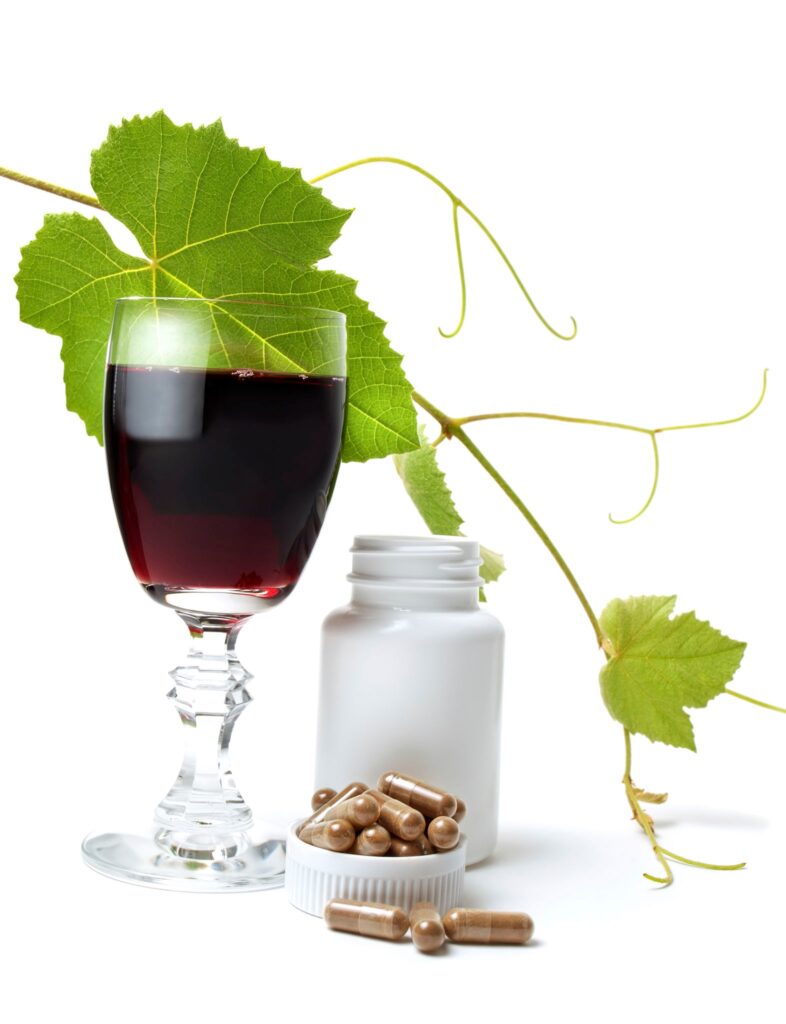
What Is Resveratrol?
Resveratrol is a type of natural micronutrient known as a polyphenol. Plants naturally produce polyphenols as a defense mechanism to survive environmental stress, drought, infections, and UV radiation. Think of antioxidants like a protective barrier for your cells—helping to shield them from free radicals, which are unstable molecules that damage cellular structure and accelerate aging and disease.
Key Dietary Sources
Resveratrol accumulates mostly in the skins and seeds of fruits:
- Red Wine & Grapes: Red wine contains significant amounts because it is fermented with grape skins intact (containing roughly 3 to 10 times more resveratrol than white wine).
- Berries: Blueberries, raspberries, cranberries, and mulberries.
- Peanuts & Cocoa: Peanuts and dark chocolate also contain trace amounts.
Science-Backed Benefits of Resveratrol
1. Supports Heart Health and Circulation
Resveratrol offers multi-layered cardiovascular protection:
- Promotes Healthy Blood Pressure: Resveratrol helps stimulate the production of nitric oxide, a molecule that signals blood vessels to relax and dilate, helping reduce systolic blood pressure.
- Improves Cholesterol Profile: Research indicates it can boost “good” HDL cholesterol while decreasing the oxidation of “bad” LDL cholesterol. Oxidized LDL contributes significantly to arterial plaque buildup.
- Inhibits Blood Clots: It improves blood vessel function and slows platelet aggregation, lowering the risk of clot formation and stroke.

2. Protects Brain Health and Cognition
Neuroinflammation is a leading contributor to cognitive decline and conditions like Alzheimer’s disease and dementia. Resveratrol’s anti-inflammatory action crosses the blood-brain barrier to protect neural cells:
- Beta-Amyloid Interference: In lab and clinical studies, resveratrol has been shown to disrupt the formation of beta-amyloid protein plaques—a signature biomarker of Alzheimer’s disease.
- Biomarker Stabilization: A 52-week clinical study noted that participants taking daily resveratrol experienced stabilization in key neurological biomarkers compared to those taking a placebo.
3. Helps Manage Blood Sugar and Insulin Sensitivity
For individuals with Type 2 diabetes or metabolic risk factors, resveratrol demonstrates several key mechanism benefits:
- Reverses Insulin Resistance: It activates AMPK (an enzyme that helps metabolize glucose), keeping blood sugar levels regulated.
- Reduces Sorbitol Accumulation: It helps prevent certain enzymes from converting excess glucose into sorbitol, a sugar alcohol that creates cellular oxidative stress when it accumulates.
4. May Relieve Joint Pain and Arthritis Symptoms
Cartilage degradation is a primary driver of joint pain and arthritis. Resveratrol helps protect cartilage tissue from breaking down. In animal and test-tube studies, direct or supplemental administration of resveratrol reduced inflammation in joint spaces and preserved structural cartilage.
5. Activates Longevity Pathways
One of the most widely researched areas of resveratrol is its influence on cellular aging. It activates sirtuins—specific genes associated with disease resistance and lifespan extension. This process mirrors the beneficial gene expression changes triggered by calorie restriction. While lifespan extension has been repeatedly demonstrated in organisms like yeast, worms, and fish, more research is required to determine the precise long-term impact on human longevity.

6. Potential Anti-Cancer Properties
In experimental models, resveratrol displays anti-tumor mechanisms:
- Inhibits Tumor Growth: It slows cancer cell replication across various stages (initiation, promotion, and progression).
- Blocks Chemotherapy Resistance: It can inhibit proteins that cause tumors to become resistant to chemotherapy treatments.
Food Sources vs. Supplements: Which Is Better?
| Source Type | Key Advantages | What to Keep in Mind |
| Natural Foods (Grapes, Berries, Red Wine) | • Highly bioavailable • Paired with supporting nutrients & fiber • Completely safe for daily eating | • Contains lower overall concentrations of resveratrol |
| Dietary Supplements (Capsules, Extracts) | • High concentrated doses (100–500 mg) • Convenient daily form | • Less body absorption efficiency • Not tightly regulated by FDA • Greater risk of side effects |
Dietitian’s Tip: Dietitians at Cleveland Clinic suggest prioritizing real food sources. The body absorbs and utilizes polyphenols far more effectively when delivered through whole dietary sources rather than isolated synthetic pills.

Dosage, Safety, and Drug Interactions
For healthy individuals, consuming resveratrol through diet carries virtually no risk. However, concentrated high-dose supplements (exceeding 1,000 mg to 3,000 mg daily) require caution.
Potential Side Effects
- Digestive Upset: High doses can cause nausea, diarrhea, vomiting, or stomach pain.
Key Warnings & Interactions
- Blood Thinners & Surgery: Resveratrol reduces blood clotting. Combining high-dose supplements with anti-clotting medications (such as Warfarin, Heparin, Aspirin, or Ibuprofen) increases bleeding and bruising risks. Always stop supplementation at least two weeks prior to scheduled surgery.
- Estrogen Sensitivity: Resveratrol can exert mild estrogen-like effects. Individuals with hormone-sensitive conditions (e.g., endometriosis, uterine fibroids, breast or ovarian cancers) should avoid resveratrol supplements.
- Liver Enzyme Interactions: Resveratrol can inhibit enzymes responsible for clearing certain drugs from the body, potentially leading to elevated medication levels in the bloodstream.
Summary
Resveratrol remains one of the most promising natural compounds for protecting cardiovascular, metabolic, and cognitive health. While high-dose supplements show potential in clinical settings, incorporating resveratrol-rich whole foods like red grapes, blueberries, raspberries, and an occasional glass of red wine into a balanced diet remains the safest and most effective strategy. Always consult your primary care provider or registered dietitian before starting high-dose resveratrol supplementation.