
If you’ve spent any time in the wellness aisle or scrolling through health blogs recently, you’ve likely encountered terms like probiotics, prebiotics, and the newest buzzword in gut health: postbiotics.
While they all sound strikingly similar—originating from the Greek word bios, meaning “life”—they play fundamentally different roles in supporting your microbiome, digestive system, and whole-body health.
Understanding how this “biotic triad” works together is the key to unlocking better digestion, immune resilience, and metabolic balance.

1. Probiotics: The Helpful Inhabitants
What Are They?
Probiotics are live microorganisms (primarily beneficial bacteria and yeasts) that, when administered in adequate amounts, confer a direct health benefit on the host.
Think of probiotics as the friendly, skilled workers you invite into your gut ecosystem. The human gut is home to roughly 100 trillion bacteria—a complex internal community known as the gut microbiome. Probiotics help replenish and support these beneficial microbial populations, particularly when factors like stress, aging, poor diet, or antibiotics disrupt your gut balance (a state known as dysbiosis).
Main Benefits to Overall Health
- Digestive Comfort: They help alleviate common gastrointestinal complaints like bloating, gas, constipation, and symptoms of Irritable Bowel Syndrome (IBS).
- Immune System Support: A vast portion of your immune system resides in your gut. Probiotics interact with immune cells to help modulate inflammatory responses and defend against opportunistic pathogens by competing for space and nutrients.
- Nutrient Absorption: They aid in breaking down foods and synthesizing essential nutrients, preventing deficiencies.
- Gut-Brain Connection: Emerging research shows probiotics can influence the gut-brain axis, potentially helping to reduce stress and support mood regulation.
Dietary Sources
To get natural probiotics into your routine, reach for fermented foods containing active cultures:
- Yogurt and kefir
- Kimchi, sauerkraut, and fermented pickles
- Miso and tempeh
2. Prebiotics: The Essential Fuel
What Are They?
If probiotics are the living “workers” in your gut, prebiotics are the fuel that keeps them alive and thriving.
Scientifically defined, prebiotics are non-digestible substrates—primarily specialized plant fibers and complex carbohydrates (often called Microbiota-Accessible Carbohydrates or MACs)—that pass through your upper digestive tract intact. Once they reach the colon, your beneficial gut bacteria feed on and ferment them.
Without prebiotics, beneficial microbes can starve, which may cause them to degrade the gut’s protective mucosal lining or allow harmful, pathogen-like bacteria to take over.
Main Benefits to Overall Health
- Nourishing Good Bacteria: Prebiotics selectively stimulate the growth, activity, and metabolic output of beneficial gut microbes.
- Enhanced Digestion & Regularity: By acting as dietary fiber, prebiotics add bulk to stool and keep the digestive tract moving smoothly.
- Metabolic Health: Regular prebiotic consumption is linked to improved blood sugar control, enhanced insulin sensitivity, and better weight management support.
- Mineral Absorption: Prebiotic fermentation creates a slightly acidic environment in the colon, which enhances the absorption of essential minerals like calcium and magnesium.
Dietary Sources
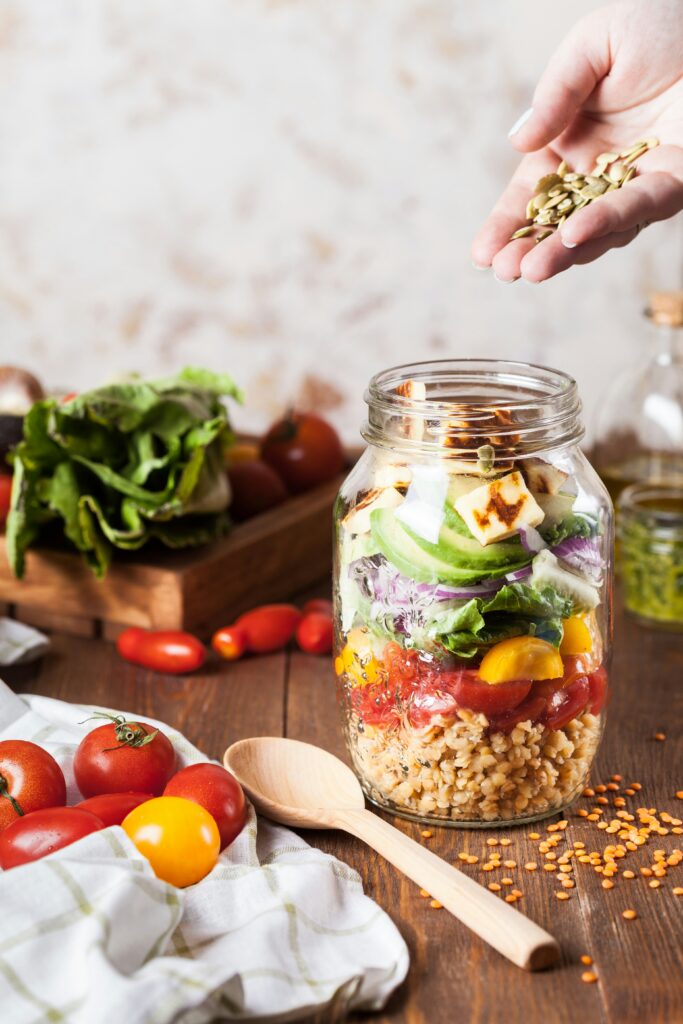
You can easily load up on prebiotics by incorporating a variety of high-fiber plant foods into your diet:
- Garlic, onions, leeks, and shallots
- Asparagus, Jerusalem artichokes, and broccoli
- Slightly green bananas and apples
- Whole grains (oats, barley, quinoa) and legumes (lentils, chickpeas, beans)
3. Postbiotics: The Functional Output
What Are They?
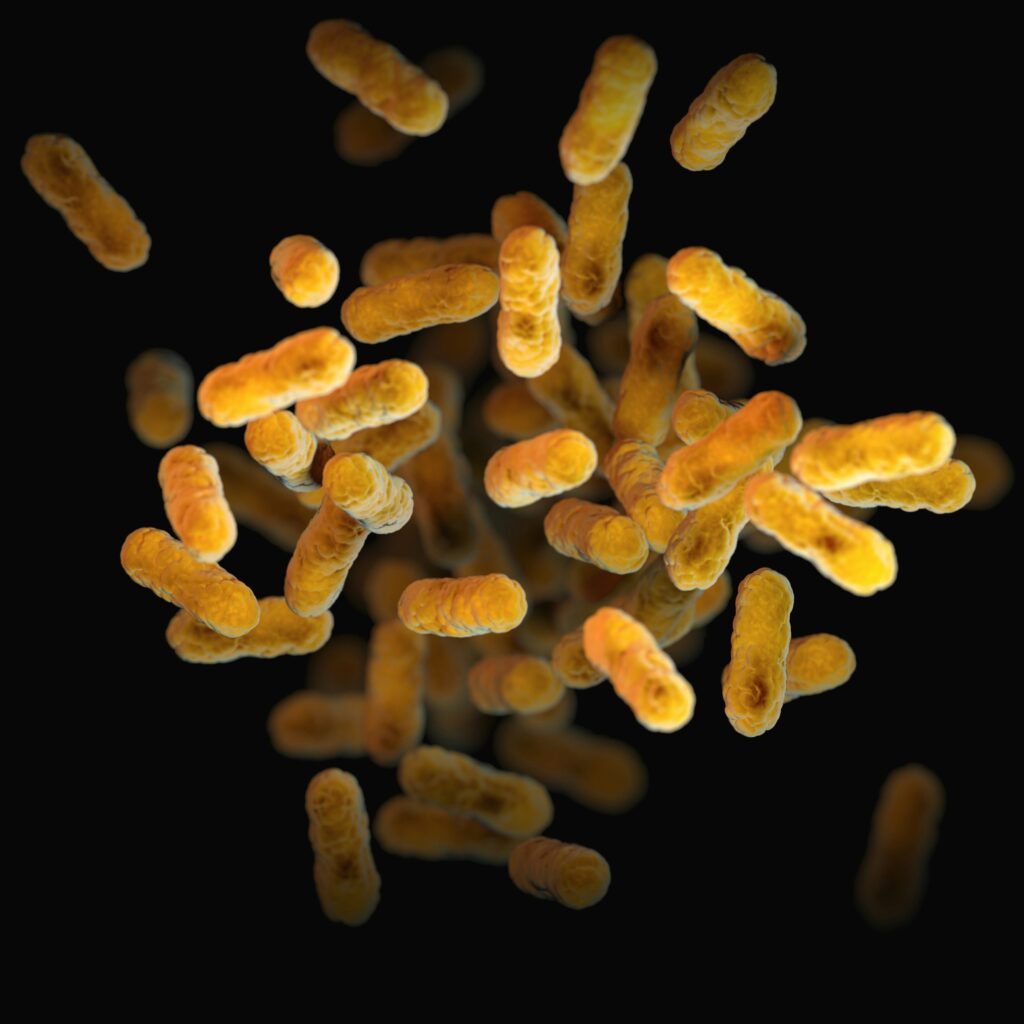
Postbiotics represent the newest frontier in microbiome science. Defined by the International Scientific Association for Probiotics and Prebiotics (ISAPP) as a “preparation of inanimate microorganisms and/or their components that confers a health benefit,” postbiotics are essentially the beneficial compounds created when good bacteria ferment prebiotic fiber.
They include non-living bacterial cells, cell wall fragments, enzymes, functional proteins, and metabolic byproducts—most notably Short-Chain Fatty Acids (SCFAs) like acetate, propionate, and butyrate.
Postbiotics prove that bacteria don’t necessarily have to be alive inside you to deliver health perks. In fact, postbiotics offer high stability compared to live probiotics, making them an exciting area for functional foods, skincare formulations, and supplements.
Main Benefits to Overall Health
- Gut Barrier Integrity: Short-Chain Fatty Acids like butyrate serve as the primary energy source for colon cells (colonocytes), repairing and maintaining a strong gut lining to prevent “leaky gut.”
- Anti-Inflammatory Effects: Postbiotic compounds help calm systemic and localized gut inflammation, benefiting conditions throughout the body.
- Skin Microbiome Health: Topical postbiotics are widely used in modern skincare to balance the skin’s surface microbiome, reinforce the skin barrier, and soothe reactive or acne-prone skin.
- Systemic Health Signaling: Postbiotics enter circulation to act as signaling molecules, supporting cardiovascular health, liver metabolism, and cellular protection.
How They Work Together: The Biotic Engine
To visualize how prebiotics, probiotics, and postbiotics interact, imagine a flourishing organic garden:
| Element | Biotic | What It Represents |
| Fertilizer & Soil | Prebiotics | High-fiber nourishment that feeds the garden bed. |
| The Seeds & Plants | Probiotics | The living, beneficial organisms planted in the soil. |
| The Harvest | Postbiotics | The fruitful yields (vitamins, SCFAs, enzymes) that nourish your entire body. |
[ Prebiotics ] + [ Probiotics ] = [ Postbiotics ]
(Fiber & MACs in food) (Live micro-organisms) (SCFAs, Enzymes, Cell wall parts)
│
▼
Health Benefits Across:
• Gut Lining Integrity
• Immune Regulation
• Metabolic Balance
• Skin & Brain Health
Food vs. Supplements: What Do Experts Recommend?
While gut health supplements are a billion-dollar industry, leading gastroenterologists and nutrition scientists emphasize that whole food is the most powerful biotic source.
- Diversity Matters: Probiotic supplements usually supply a massive dose of just a few bacterial strains, which may fail to colonize or could temporarily displace your native microbes. Whole fermented foods provide a gentler, more diverse spectrum of microbes alongside natural signaling metabolites.
- Fiber Variety: Prebiotic supplements usually contain a single fiber type (e.g., inulin), whereas eating a colorful blend of vegetables, nuts, seeds, and grains feeds a far wider variety of beneficial bacterial strains.
- Synergy in a Meal: Combining biotic foods in daily meals—such as eating yogurt (probiotic) topped with berries, chia seeds, and oats (prebiotics)—naturally drives the production of health-promoting postbiotics inside your body.

Simple Ways to Eat for Gut Health
- Pair fermented and fibrous foods daily: Enjoy miso soup with veggies, kimchi with brown rice, or kefir with granola.
- Eat the rainbow: Aim for 20–30 different plant foods per week to maximize gut microbiome diversity.
- Consult a healthcare professional: If you’re considering targeted probiotic or postbiotic supplements for a specific medical condition (like IBS, pouchitis, or post-antibiotic recovery), speak with a physician or registered dietitian to find clinically backed strains.