
When we talk about gut health, probiotics usually get all the attention. From yogurt commercials to supplement aisles, we are constantly reminded to add more “good bacteria” to our diets. But there is a crucial second half to the equation that often gets overlooked: prebiotics.
Without prebiotics, those beneficial microbes in your gut simply cannot thrive. In this post, we’ll dive into what prebiotics are, how they work, their impact on your entire body, and how they differ from probiotics.
What Are Prebiotics?
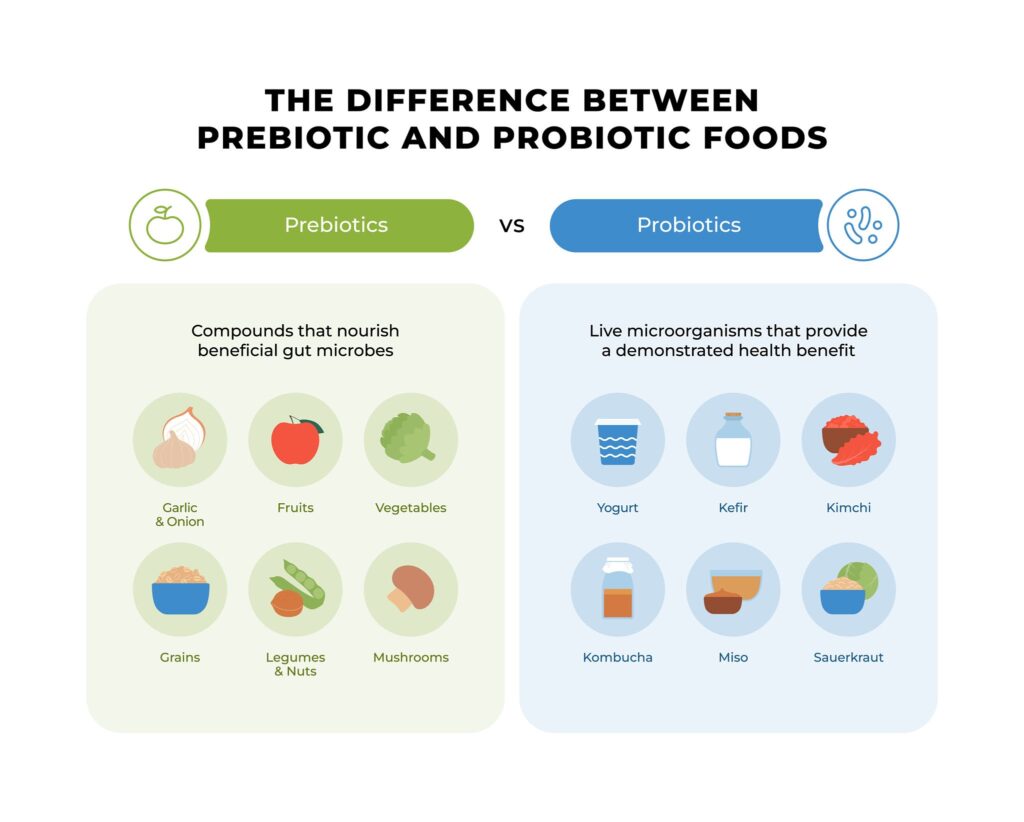
In simple terms, prebiotics are non-digestible plant fibers and complex carbohydrates that act as fuel for the friendly bacteria living in your gastrointestinal tract.
Because the human stomach and small intestine lack the specific enzymes required to break down these complex fibers, prebiotics pass through the upper digestive tract largely intact. They make it all the way to the large intestine (colon), where trillions of resident microbes ferment and metabolize them.
Common types of prebiotics found in plant foods include:
- Inulin & Oligosaccharides: Found in foods like chicory root, garlic, onions, leeks, and asparagus.
- Resistant Starches: Found in green bananas, legumes, barley, oats, and potatoes that have been cooked and then cooled.
- Pectin: Found in the skin and pulp of fruits like apples, tomatoes, and berries.
Prebiotics vs. Probiotics: What Is the Difference?
While the names sound almost identical, their roles in gut health are fundamentally different—yet complementary.
| Feature | Prebiotics | Probiotics |
| What they are | Non-digestible plant fibers & starches | Live, active microorganisms (bacteria & yeast) |
| Primary Role | Food source that fuels beneficial bacteria | Replenishes and expands beneficial bacteria populations |
| Heat & Acid Sensitivity | Highly stable; unaffected by heat, cold, or stomach acid | Fragile; vulnerable to heat, oxygen, and harsh stomach acids |
| Common Sources | Garlic, onions, bananas, oats, apples, chicory root | Yogurt, kefir, kimchi, sauerkraut, kombucha, miso |
Analogy: Think of your gut microbiome as a garden. Probiotics are the new seeds you plant to diversify your flower bed, while prebiotics are the fertilizer and water that feed the seeds so they actually grow and flourish.
How Do Prebiotics Work?
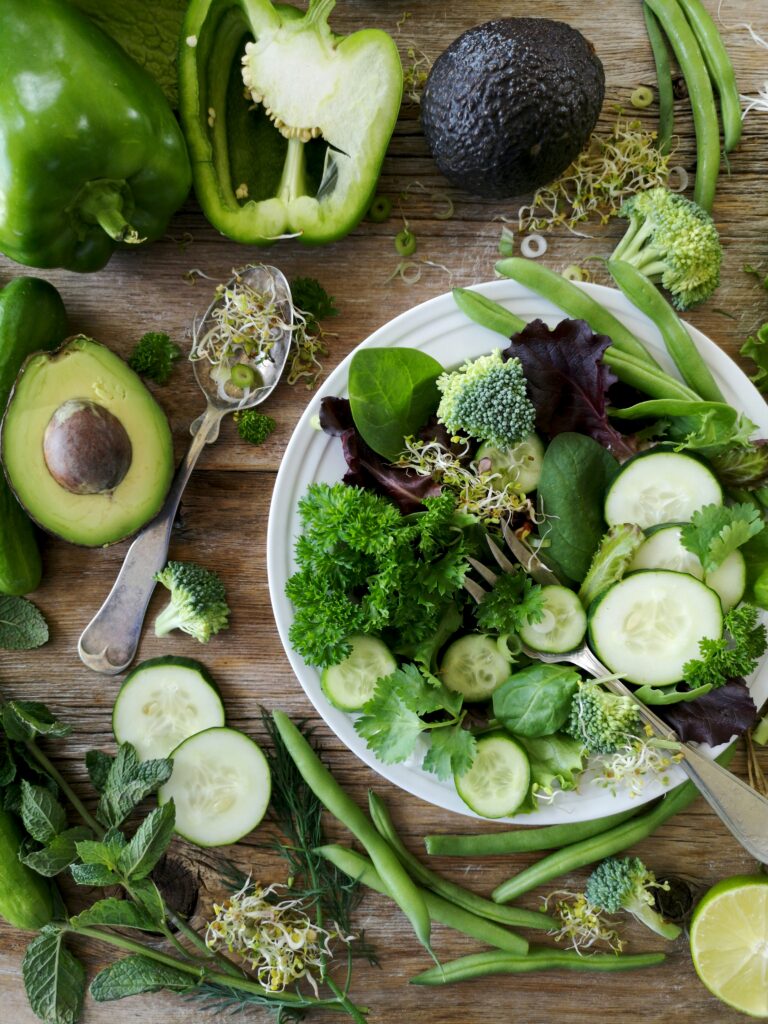
When beneficial gut bacteria feed on prebiotic fibers in the colon, they go through a process called fermentation. This process produces metabolic byproducts called short-chain fatty acids (SCFAs)—primarily acetate, propionate, and butyrate.
SCFAs are the true “unsung heroes” of human biology. They nourish the cells lining your colon walls, help regulate inflammation, signal the brain, and enter the bloodstream to interact with organs throughout the body.
The Benefits: From the Gut to the Entire Body
The impact of prebiotics extends far beyond basic digestion. Here is how feeding your microbiome supports your health from head to toe:
1. Digestive Health & Gut Integrity
- Regularity: Prebiotic fibers absorb water and add bulk to stool, promoting regular bowel movements and easing constipation.
- Strengthens the Gut Barrier: SCFAs (especially butyrate) provide the primary energy source for colon epithelial cells, helping maintain a tight mucosal lining that prevents harmful compounds from leaking into the bloodstream.
2. Immune Function & Reduced Inflammation
- Approximately 70–80% of your body’s immune cells reside in the gut. By stimulating the growth of beneficial bacteria over harmful pathogens, prebiotics strengthen immune responses, modulate systemic inflammation, and lower the risk of chronic inflammatory conditions.
3. Mineral Absorption & Bone Health
- As prebiotics ferment in the colon, they slightly lower the pH of the intestinal environment. This acidic environment increases the solubility and bioavailability of key minerals, enhancing the absorption of calcium and magnesium, which supports long-term bone density.
4. Blood Sugar Control & Weight Management
- Fermentable fibers slow down carbohydrate digestion and glucose absorption, helping prevent sharp blood sugar spikes after meals.
- SCFAs trigger the release of satiety hormones (like GLP-1 and PYY) that send signals to the brain indicating fullness, helping curb appetite and overeating.
5. Mood and Cognitive Function (The Gut-Brain Axis)
- The gut and central nervous system communicate constantly via the gut-brain axis. Microbes feeding on prebiotics produce neurotransmitters and chemical messengers that influence mood, stress response, and cognitive function.
How to Add Prebiotics to Your Diet Safely
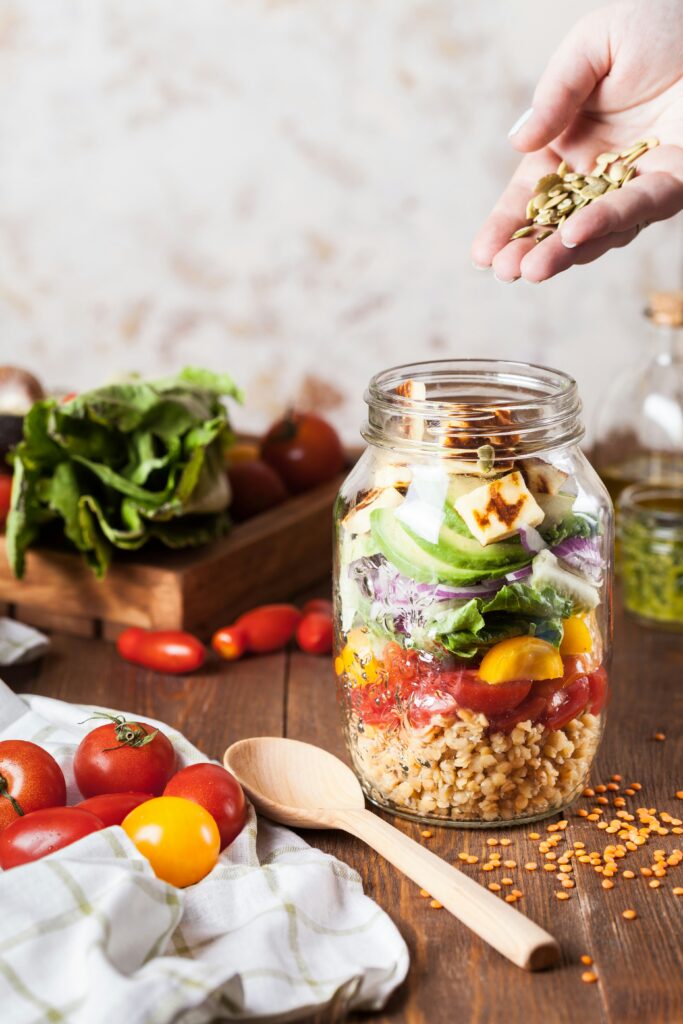
Incorporating prebiotic foods into your meals is easy, but gradual implementation is key.
Because prebiotics stimulate bacterial fermentation, introducing large amounts too quickly can lead to temporary gas, bloating, or abdominal discomfort as your gut microbiome adjusts.
Simple ways to add prebiotics:
- Slice green or slightly underripe bananas into your morning oatmeal.
- Add fresh garlic, leeks, and onions as bases for soups, stews, and roasted dishes.
- Enjoy raw apples with the skin on.
- Try boiled and chilled potato salad or chilled rice to boost resistant starch levels.