
When you think about taking care of your body, what usually comes to mind? Cardiopulmonary exercise, glowing skin routines, or building muscle?
While those are all important, there’s an internal ecosystem working behind the scenes that influences almost every single system in your body: your gut microbiome.
Trillions of bacteria, fungi, and other microorganisms live inside your digestive tract (stomach, small intestine, and colon). Far from being simple passengers, these microbes actively regulate your immunity, brain chemistry, metabolism, and energy levels.
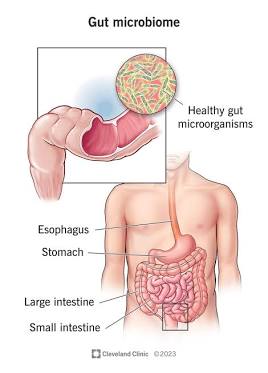
The gut microbiome lives primarily within your gastrointestinal system. Source: Cleveland Clinic
4 Major Ways Your Gut Impacts Whole-Body Function
1. Your Digestive Powerhouse
The primary function of the digestive tract is to break down food into fuel. Gut microbes assist this process by processing complex carbohydrates and dietary fiber that human enzymes can’t digest on their own. In return, they release essential nutrients, short-chain fatty acids, and vitamins that fortify the lining of your intestinal wall.
2. Your “Second Brain” & Mental Health
Ever felt “butterflies” in your stomach when nervous? That’s your enteric nervous system (ENS) at work—a complex network of over 100 million nerve cells lining your GI tract that communicates bidirectionally with your central nervous system via the vagus nerve.
Remarkably, your gut produces roughly 90% of your body’s serotonin—the neurotransmitter responsible for mood, sleep, and appetite—alongside dopamine and GABA. An unbalanced gut often manifests as brain fog, anxiety, or low mood.
3. Your Immune System’s First Line of Defense
A strong intestinal lining acts as a physical and chemical barrier, preventing harmful toxins and pathogens from leaking into your bloodstream. Healthy gut flora activate immune cells, keep the gut environment slightly acidic to deter bad bacteria, and regulate systemic inflammation throughout the body.
4. Metabolism and Long-Term Disease Risk
Research shows a strong correlation between gut flora diversity and chronic health outcomes. A healthy microbiome helps maintain balanced blood sugar and metabolic rate, reducing long-term risks associated with:
- Type 2 diabetes
- Cardiovascular disease
- Autoimmune conditions
- Chronic digestive disorders (such as IBS or IBD)
Red Flags: Is Your Gut Out of Balance?

When the delicate balance between beneficial and harmful bacteria shifts (a condition known as dysbiosis), your body sends signals:
| Physical Symptoms | Systemic & Mood Symptoms |
| Persistent bloating, gas, or heartburn | Unexplained fatigue and sluggishness |
| Irregularity (frequent diarrhea or constipation) | Frequent colds or immune sluggishness |
| Intense sugar and processed-food cravings | Mood swings, anxiety, or sleep disturbances |
How to Fuel a Thriving Gut Environment
The state of your gut isn’t fixed—it responds quickly to lifestyle and dietary shifts. Here are evidence-backed ways to keep your microbiome thriving:

- Aim for Plant Diversity: Try to include up to 30 different plant-based foods per week (fruits, vegetables, legumes, whole grains, nuts, and seeds). Diverse plant fibers feed diverse beneficial bacteria.
- Add Fermented & Prebiotic Foods: Integrate natural probiotics like yogurt, kefir, kimchi, sauerkraut, and kombucha. Combine them with prebiotic fibers like garlic, onions, oats, and leeks that act as “fertilizer” for good bacteria.
- Stay Hydrated: Water assists with nutrient absorption, breakdown of fiber, and smooth movement of food through your digestive system.
- Minimize Ultra-Processed Foods: Excess refined sugars, artificial sweeteners, and heavily processed fats can nourish harmful bacteria and yeast.
- Manage Stress and Sleep: High stress levels and sleep deprivation alter gut hormone production and disrupt bacterial balance. Regular movement, mindfulness, and 7–9 hours of rest directly support gut recovery.